Scaling Smart Fitness Beyond Premium Hardware
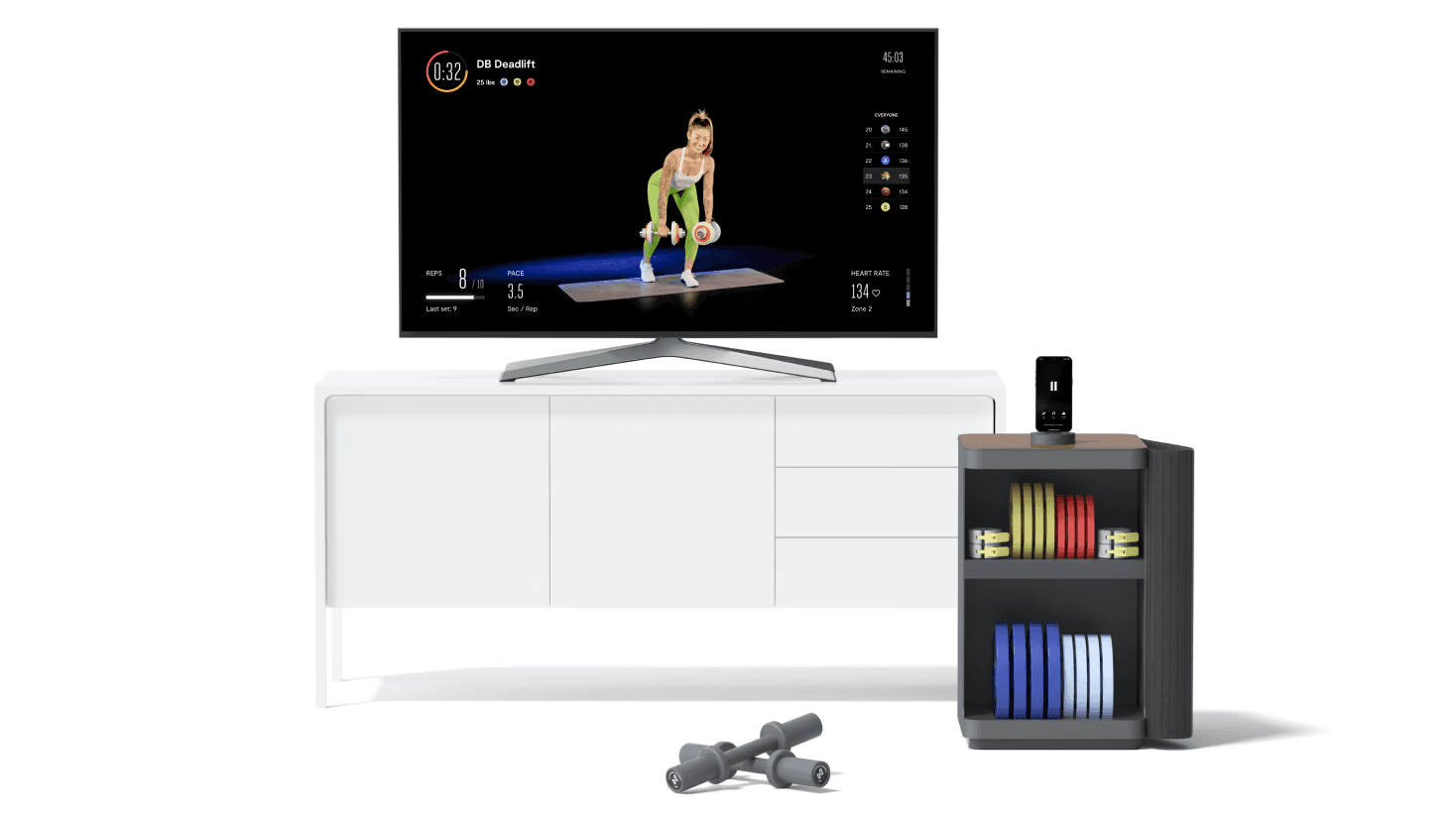
Tempo was built around a $2,000+ all-in-one Studio system. To expand the market, we launched Tempo Move — a modular, iPhone-powered smart gym at a dramatically lower price point.
I led the experience strategy to separate the system across phone, TV, and weights while protecting the coaching quality that defined the brand. The launch 2–3×’d monthly revenue and increased subscribers by 150%, expanding Tempo beyond premium hardware.
Company
Tempo Fitness
Role
Lead Product Designer
Timeline
6 months
The Problem
Studio worked because it controlled everything — camera, screen, lighting, interaction — in one physical system. Move broke that model.
To lower the price, we separated the components:
iPhone as camera and input
TV as display
Modular weight cabinet
That increased accessibility — and increased variability. More devices. More environments. More ways things could go wrong.
Design Question: How might we expand access by separating the hardware — without multiplying the ways the experience could fail?
Constraints
Hardware, CV, mobile, and content teams moving in parallel
LIDAR tracking varied across real homes
Camera detached from primary display
6-month timeline with fixed holiday launch
Content production dependent on early layout decisions
We could no longer control the environment. So we had to design for unpredictability.
The Approach
Start with Failure Points
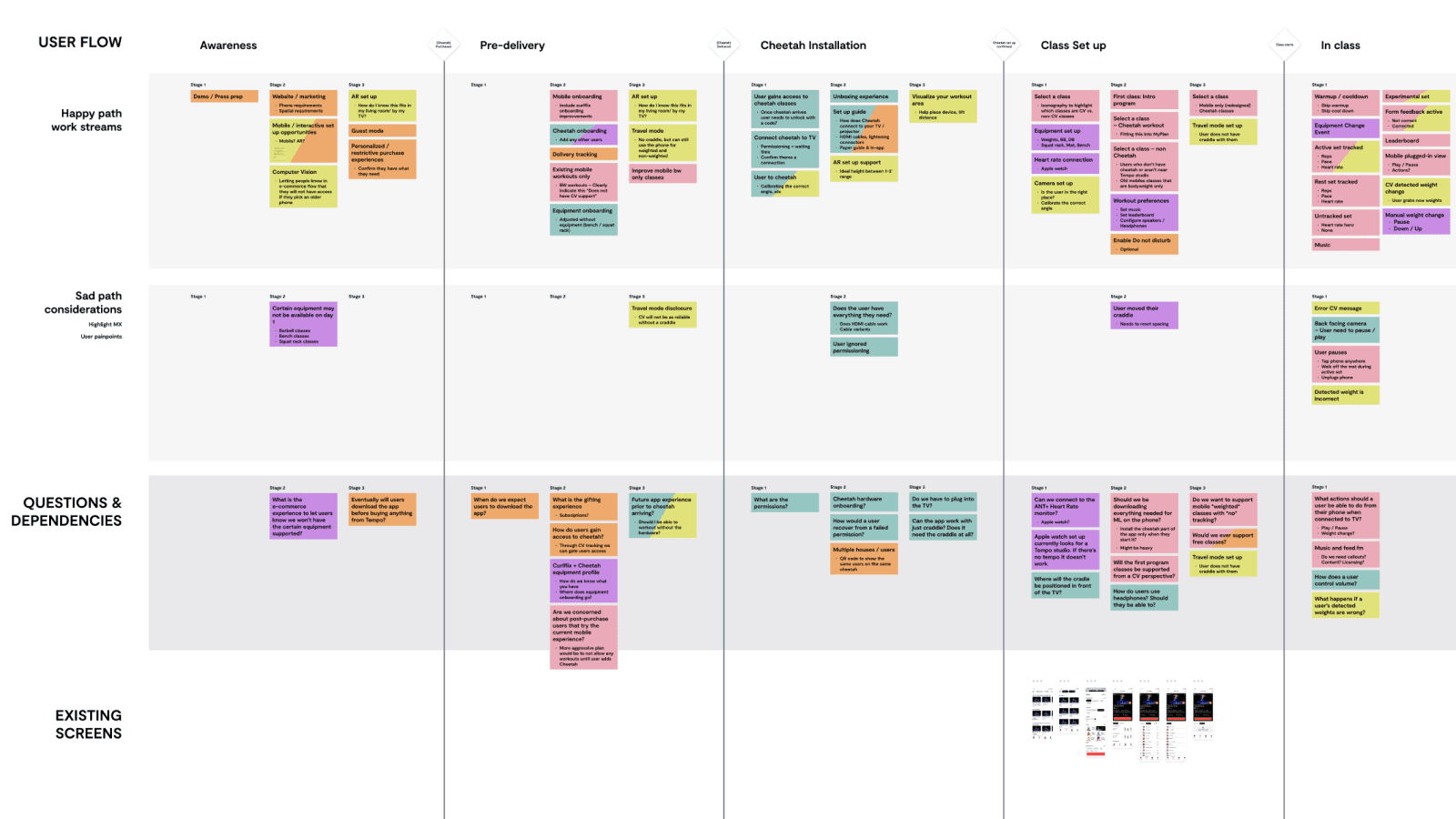
Instead of jumping straight into features, we mapped the user journey and focused on where things could fail: delivery → setup → calibration → first workout.
From there, we focused the MVP on stabilizing those highest-risk moments with clear onboarding, guided camera setup, and ensuring smooth camera tracking during a workout.
Design the Two-Device Experience
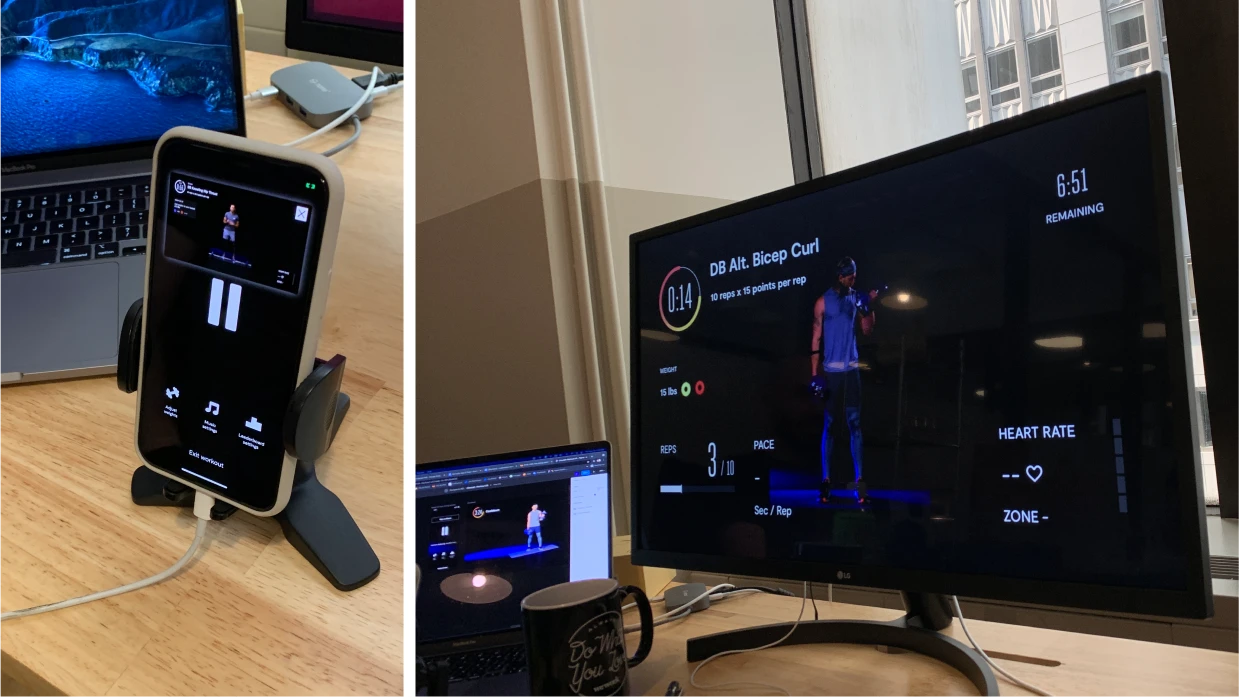
Moving from a single touchscreen to a phone-and-TV system created new interaction challenges during workouts.
I began prototyping the split experience early to understand how members would watch coaching on the TV while managing controls on their phone.
Commit Early to What Needed Certainty
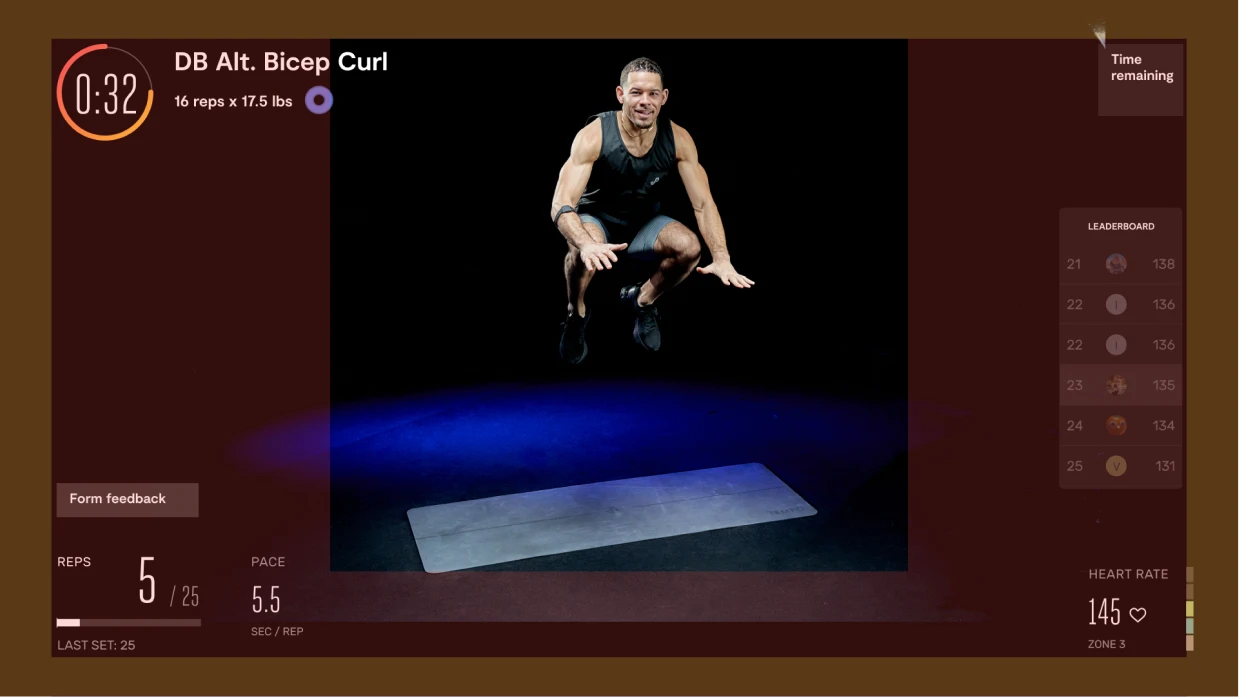
To unblock content production, we locked the TV layout early by defining safe margins, coach framing, and aspect ratio before computer vision was fully proven.
This constrained future layout changes but allowed filming to begin and kept engineering, content, and product aligned on a stable system.
The Solution
Onboarding
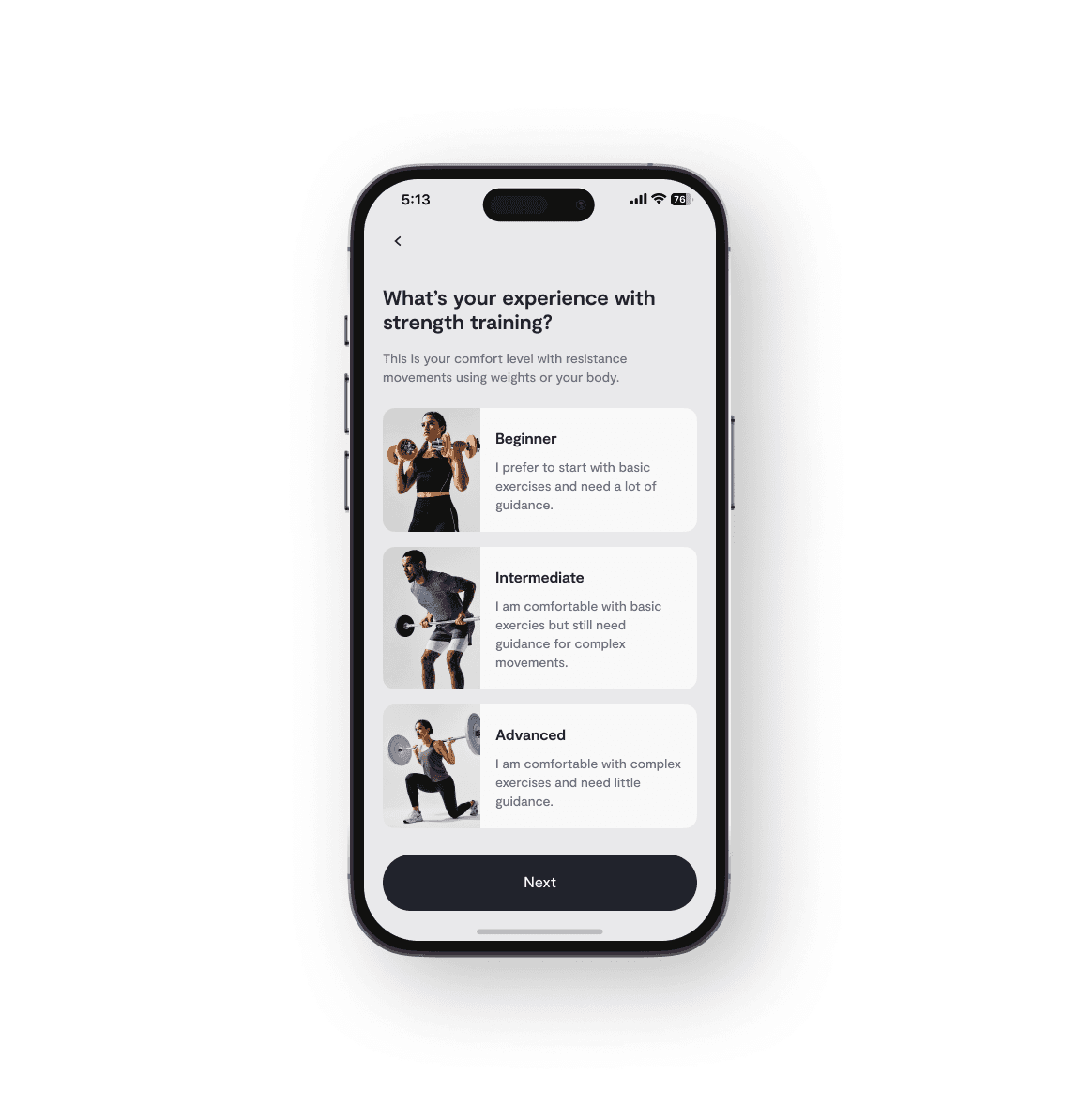
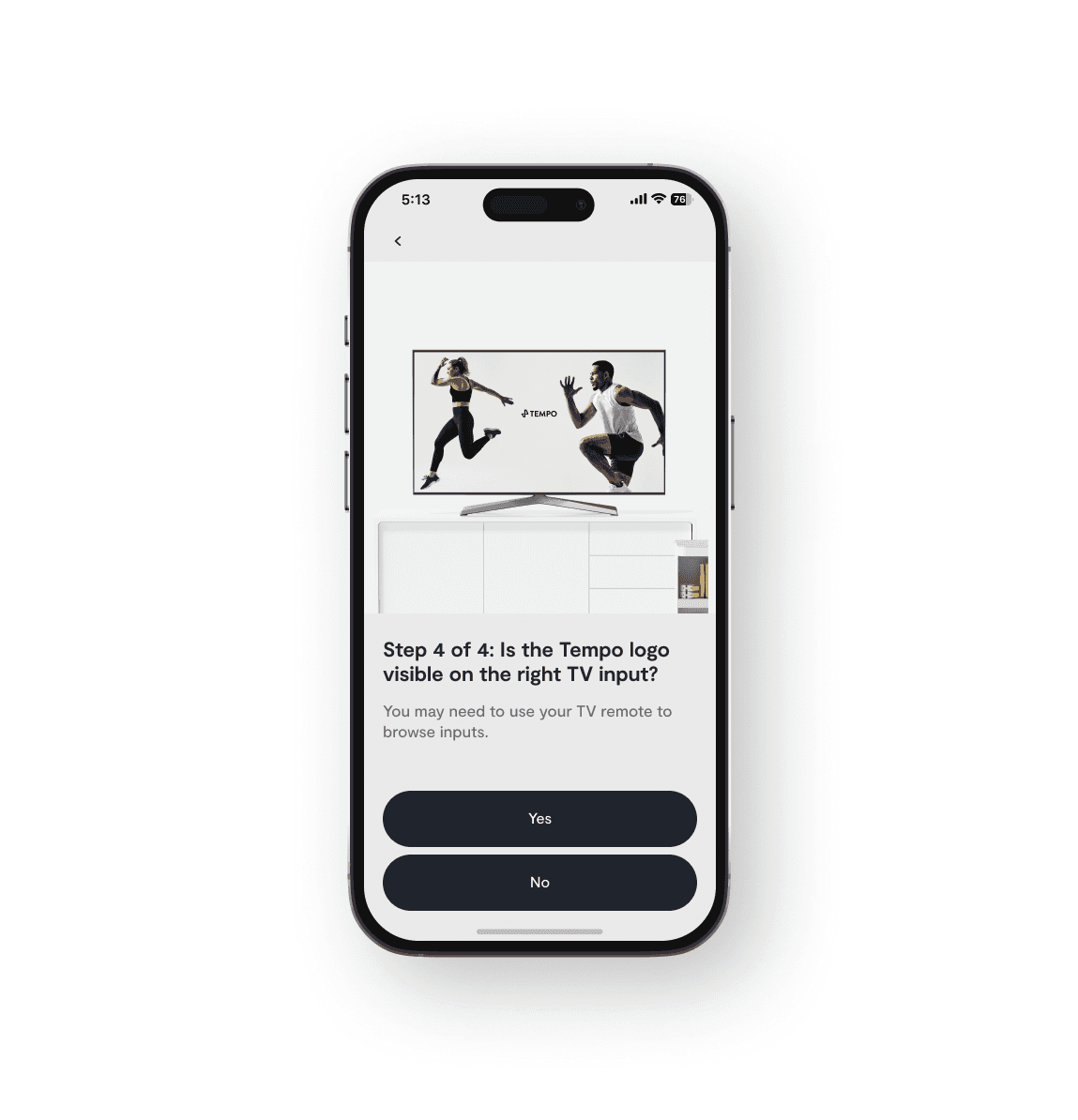
With only six months to launch, rebuilding onboarding from scratch wasn’t the right investment. I kept the existing Studio foundation and adapted it to introduce the Move’s modular hardware setup.
Because this was a new member’s first interaction with the Tempo brand, the flow focused on orienting them to Tempo and setting their fitness goals. The priority was clarity and polish so members understood the system and felt confident to start their first workout.
Camera Set Up
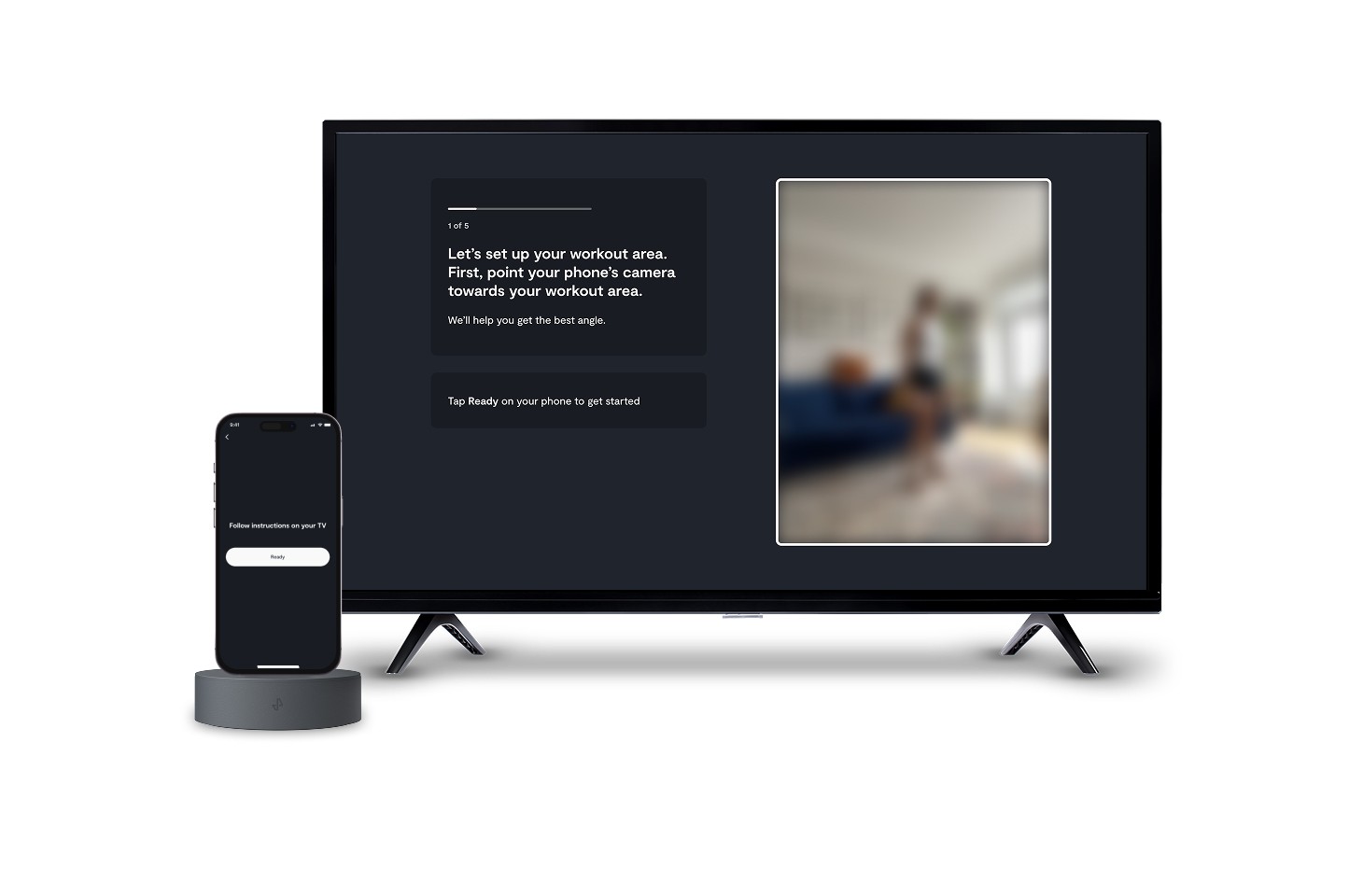
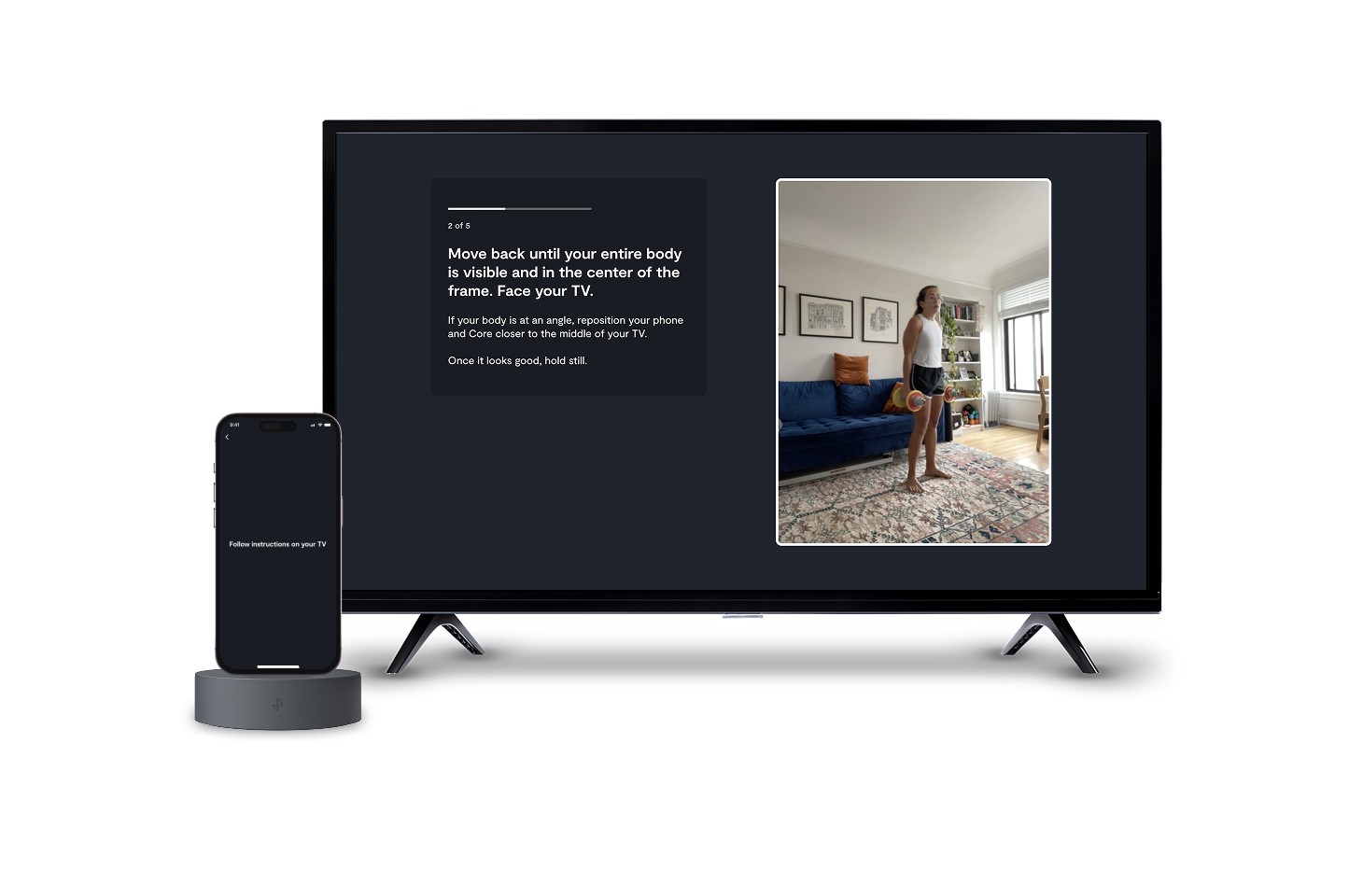
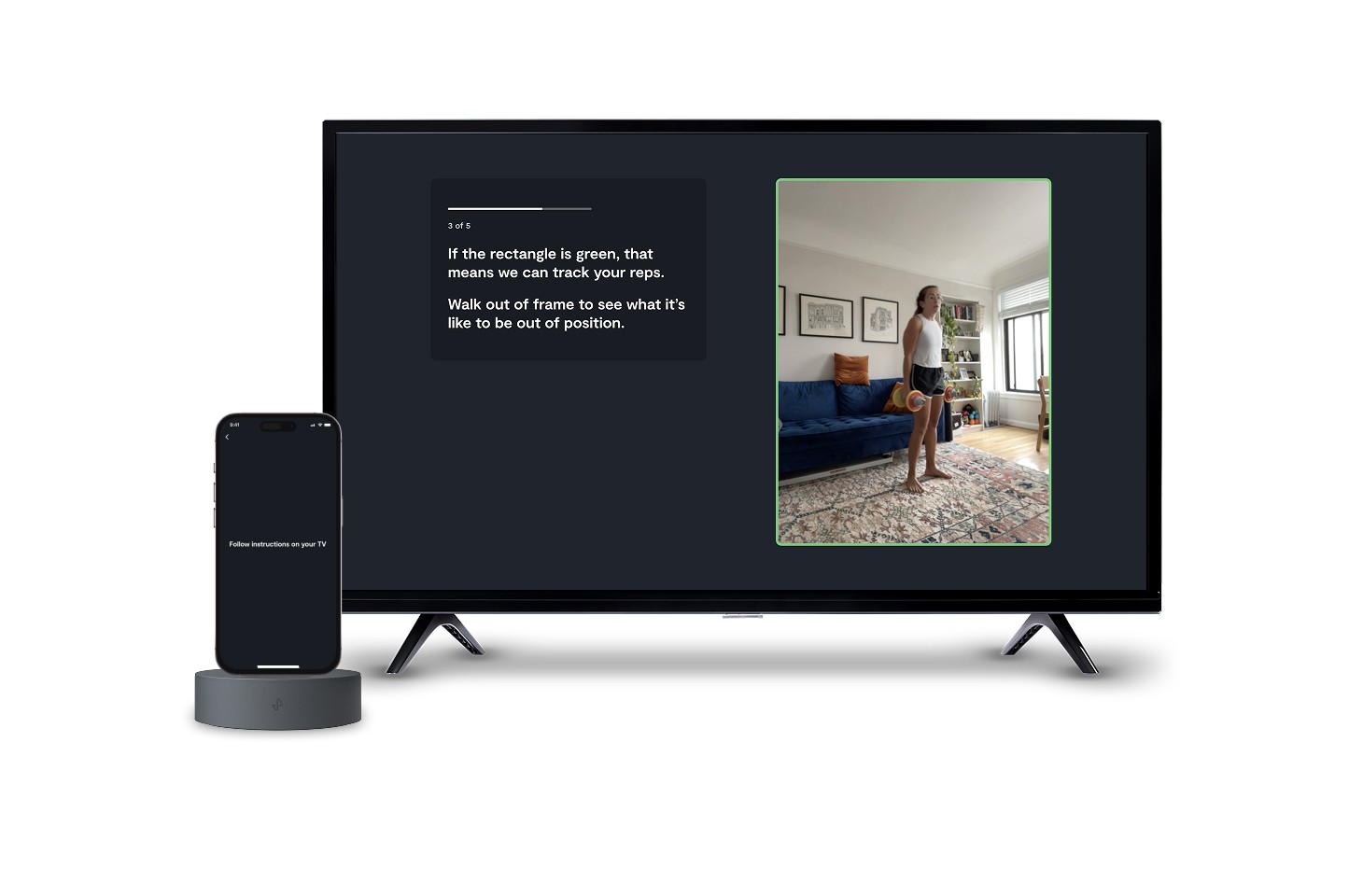
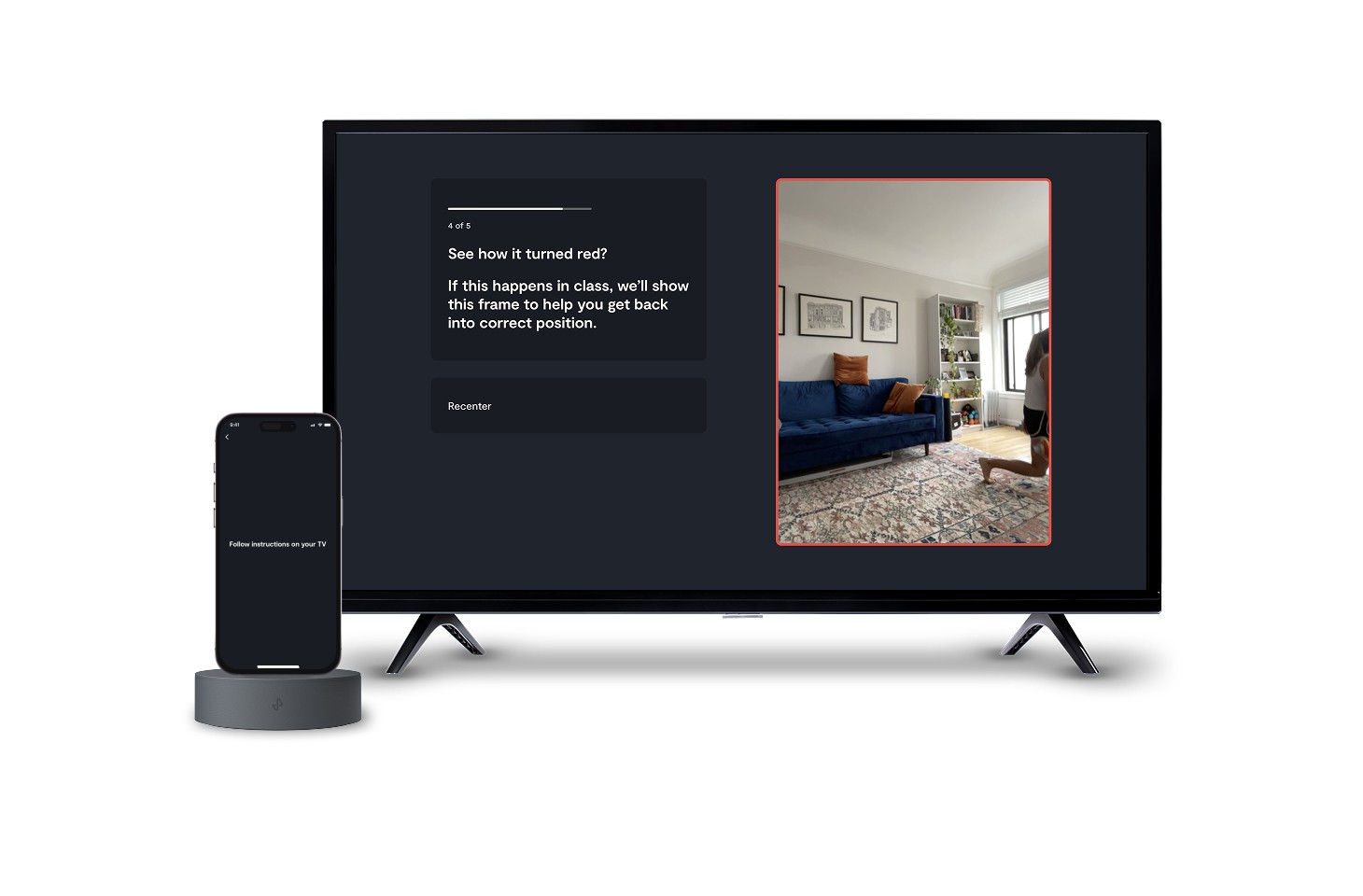
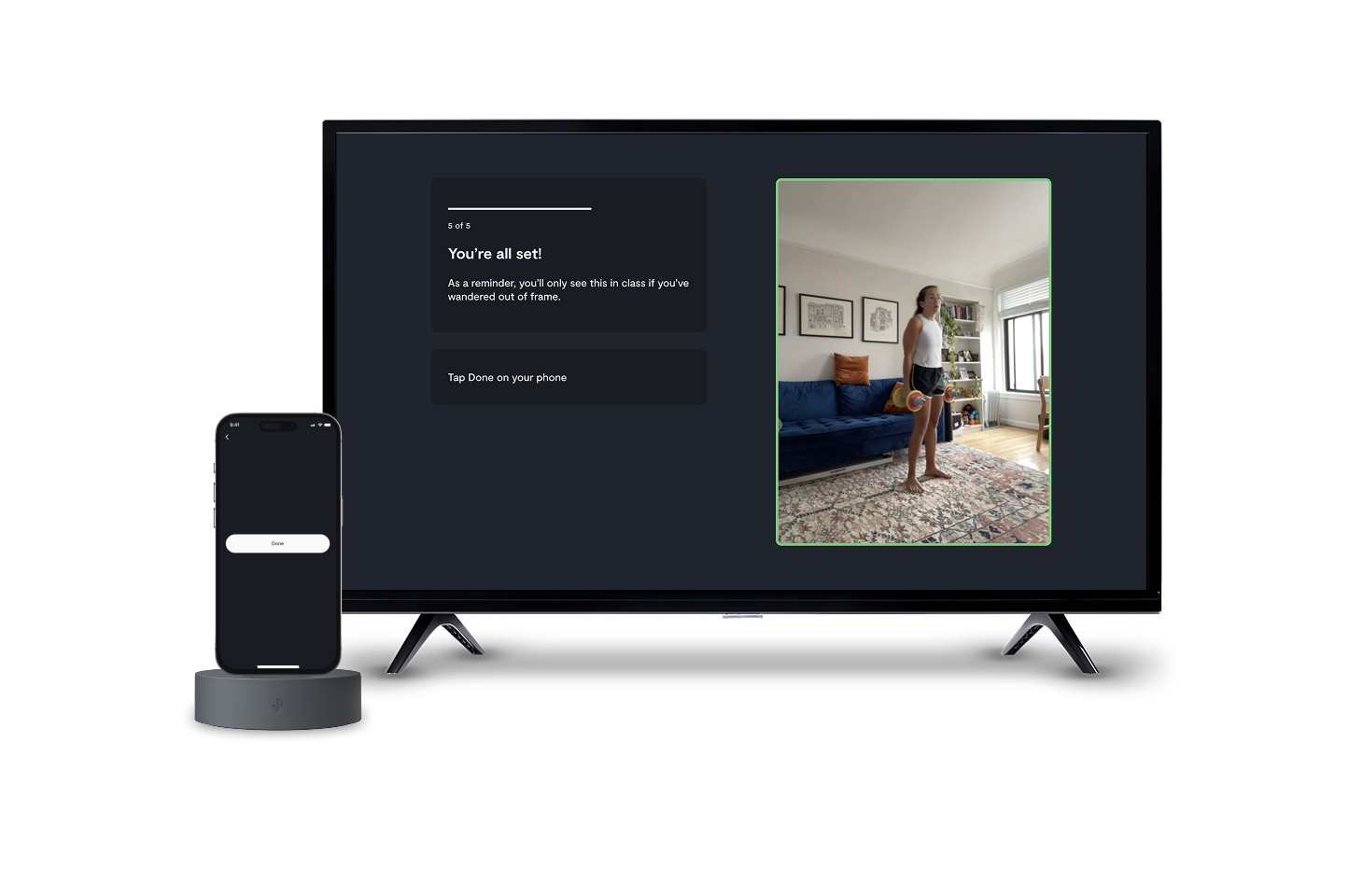
Unlike the Studio’s fixed camera, Move relied on members positioning their own phone in their home. That flexibility made the system more accessible, but it also introduced more ways for tracking to fail.
I designed a guided setup flow that taught members how the camera worked and what it needed to see. The experience let them see their own framing, understand how tracking behaved, and learn how to adjust if it stopped working during a workout.
Workout Experience
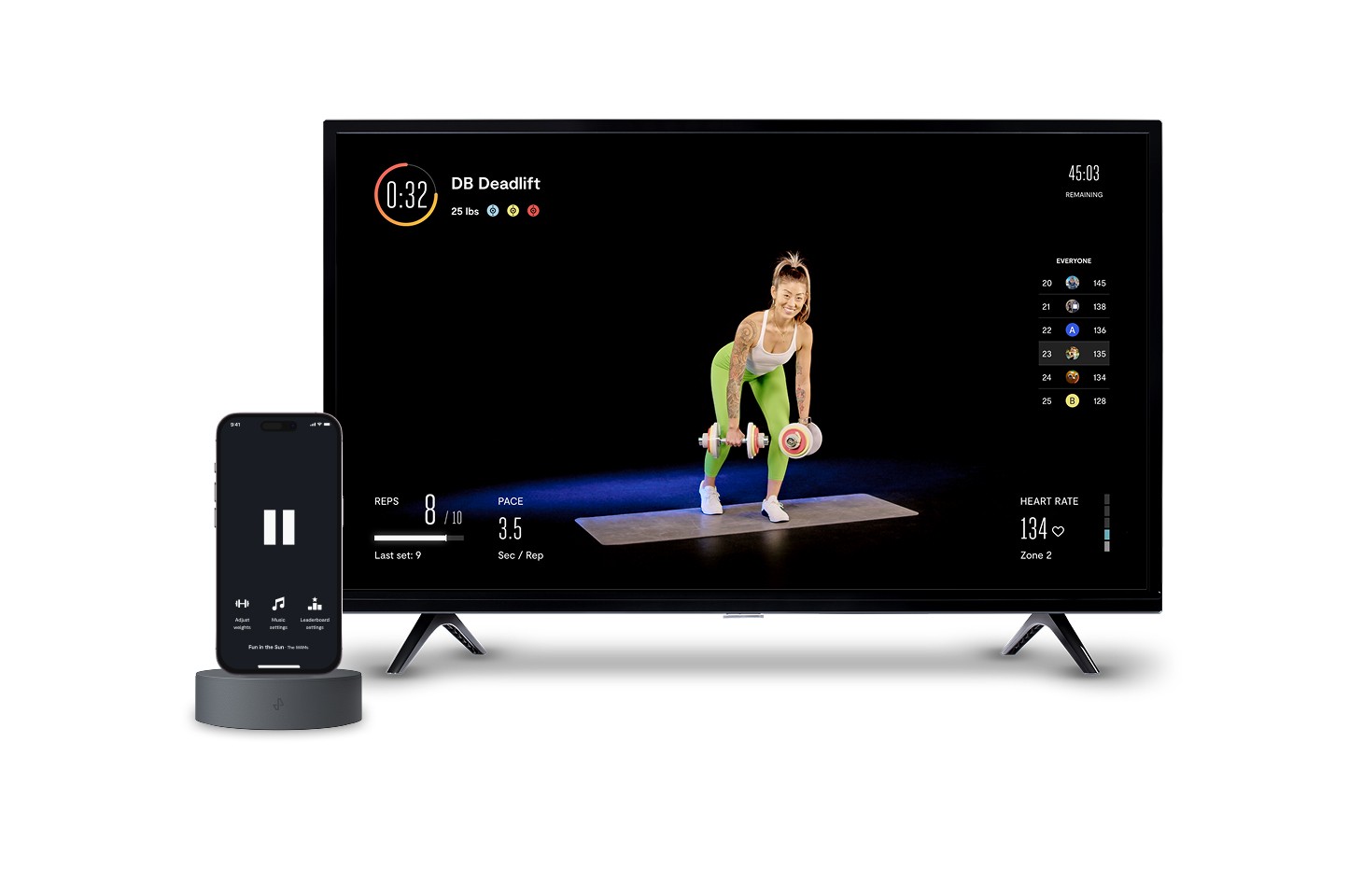
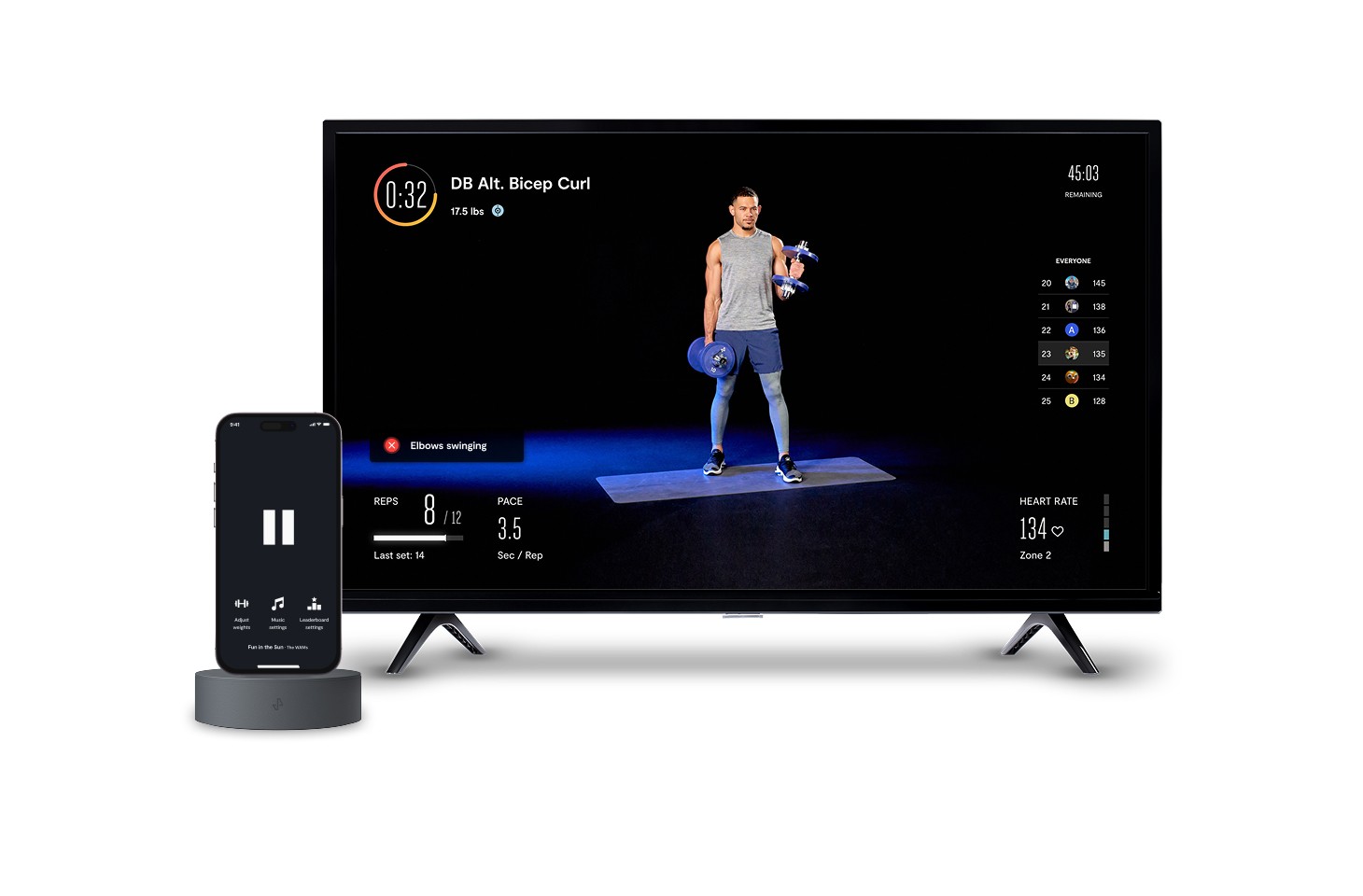
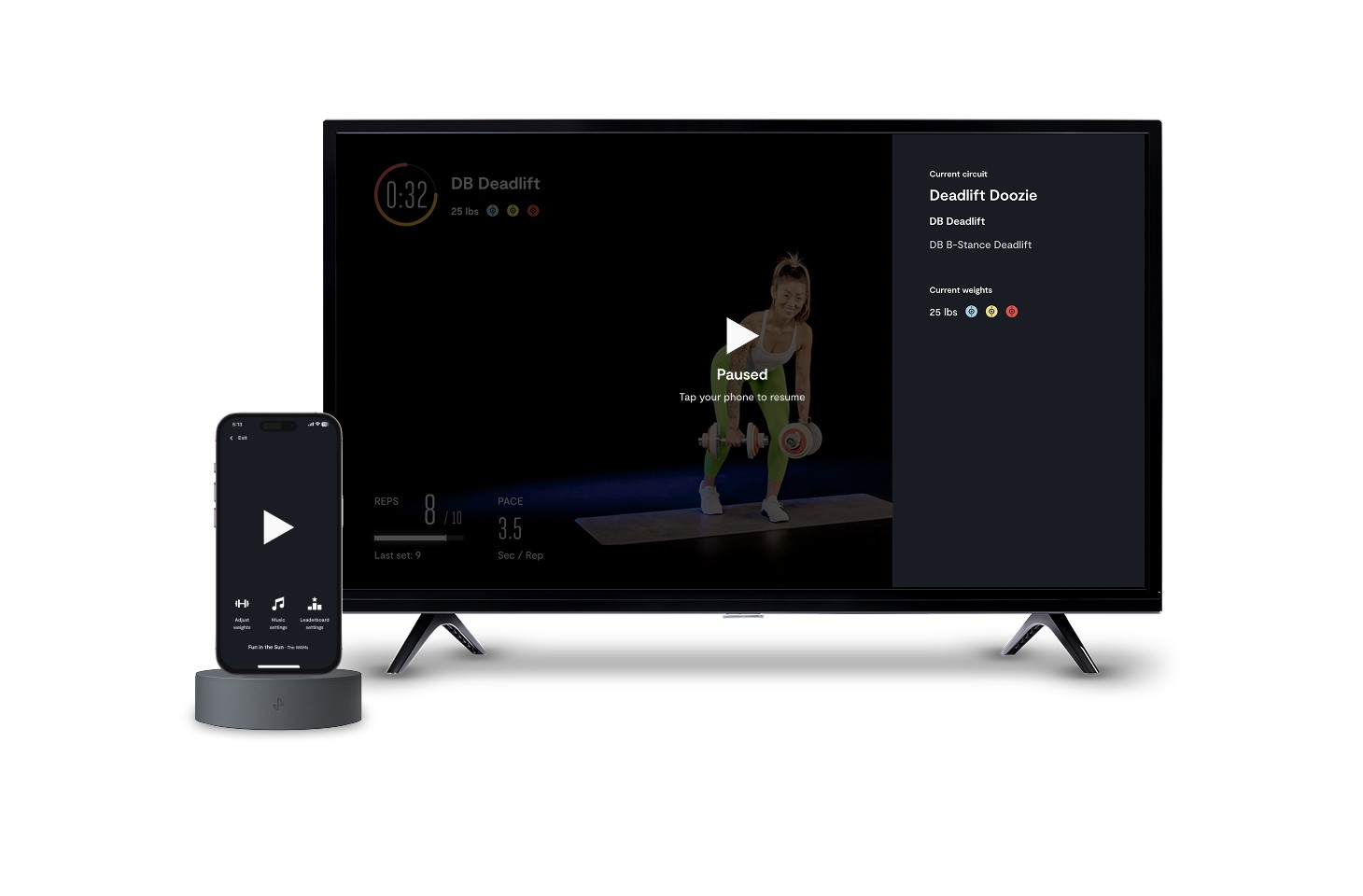
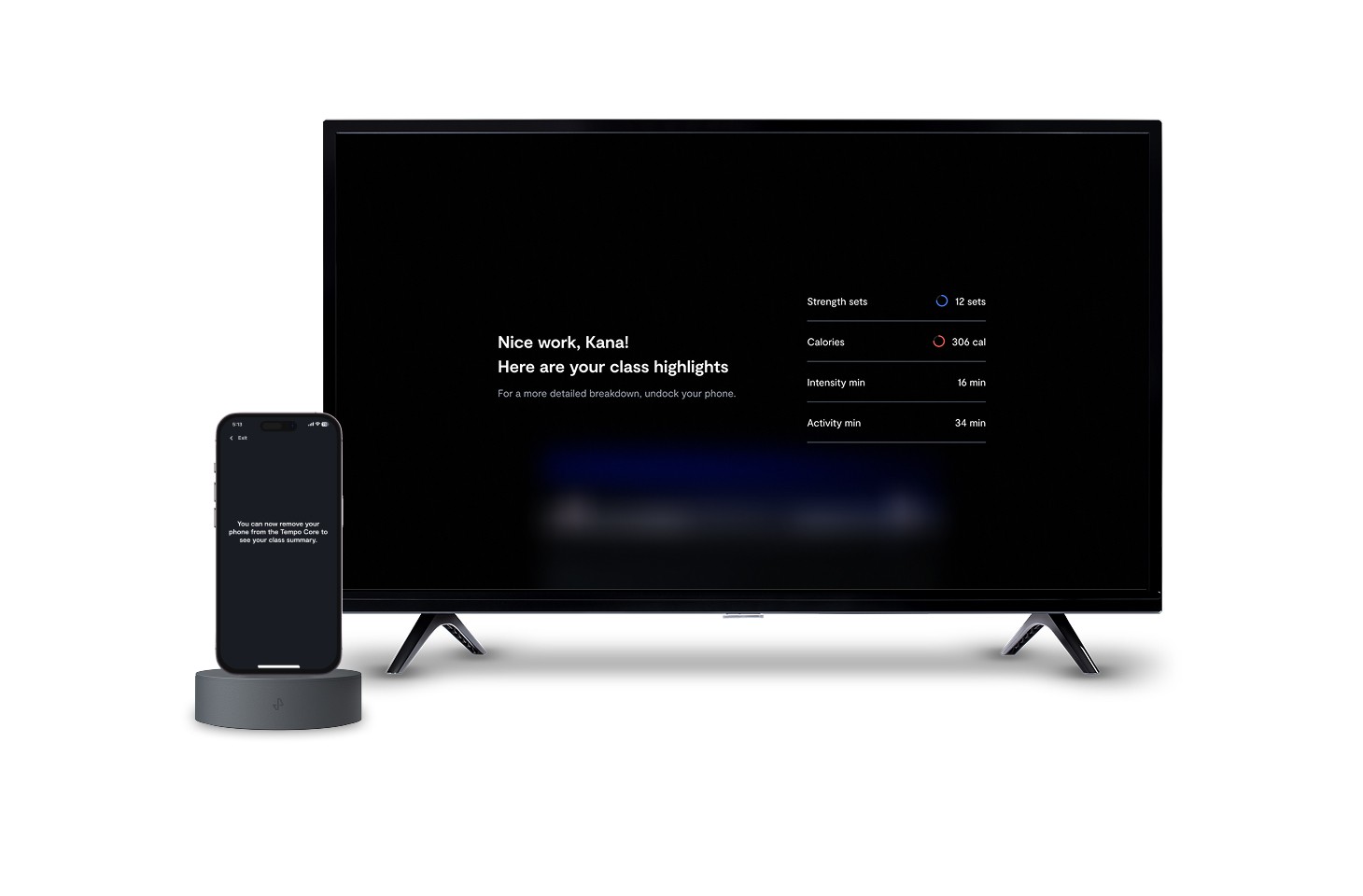
Move split the workout experience across two devices. The TV became the primary coaching surface, while the phone handled interaction and controls.
For launch, I preserved the core Studio workout while adapting it to the two-device setup. The experience included the essential coaching features, plus weight recognition and a more flexible pause state.
Outcome
2–3x increase in monthly revenue
+150% subscriber growth
Expanded beyond premium hardware buyers
National recognition (Time, GQ, Fast Company)
Move didn't just lower the price. It expanded who Tempo was built for.
Reflection
This project reinforced how I step into ambiguous, high-risk work. I start by mapping where the experience could fail, not just technically but perceptually. Where might someone lose confidence? Where might something technically work but still feel unreliable? Those moments shape the roadmap more than feature lists.